Topic outline
Course overview and purpose
The goal of the Foundations of medical science course is to review molecular bases of life and prepare students for further studies. During the 7-week block you will discuss normal and abnormal processes from a foundational medical sciences perspective. During this course you will revisit the knowledge from past two years in:
- Biochemistry
- Molecules, Cells/Tissues
- Genes and Development
And get familiar with basic knowledge in:
- Pathology
- Oncology
- Basic Pharmacology
The Foundations of medical science block is designed in accordance with interleaving principles. Each day of the week is dedicated to one of 6 disciplines structured in such a consequence that every topic assigned to a new weekday thematically appears to be a continuation of a previous day or related to it.
- Biochemistry
Week 1 Day 1_Biology of cells
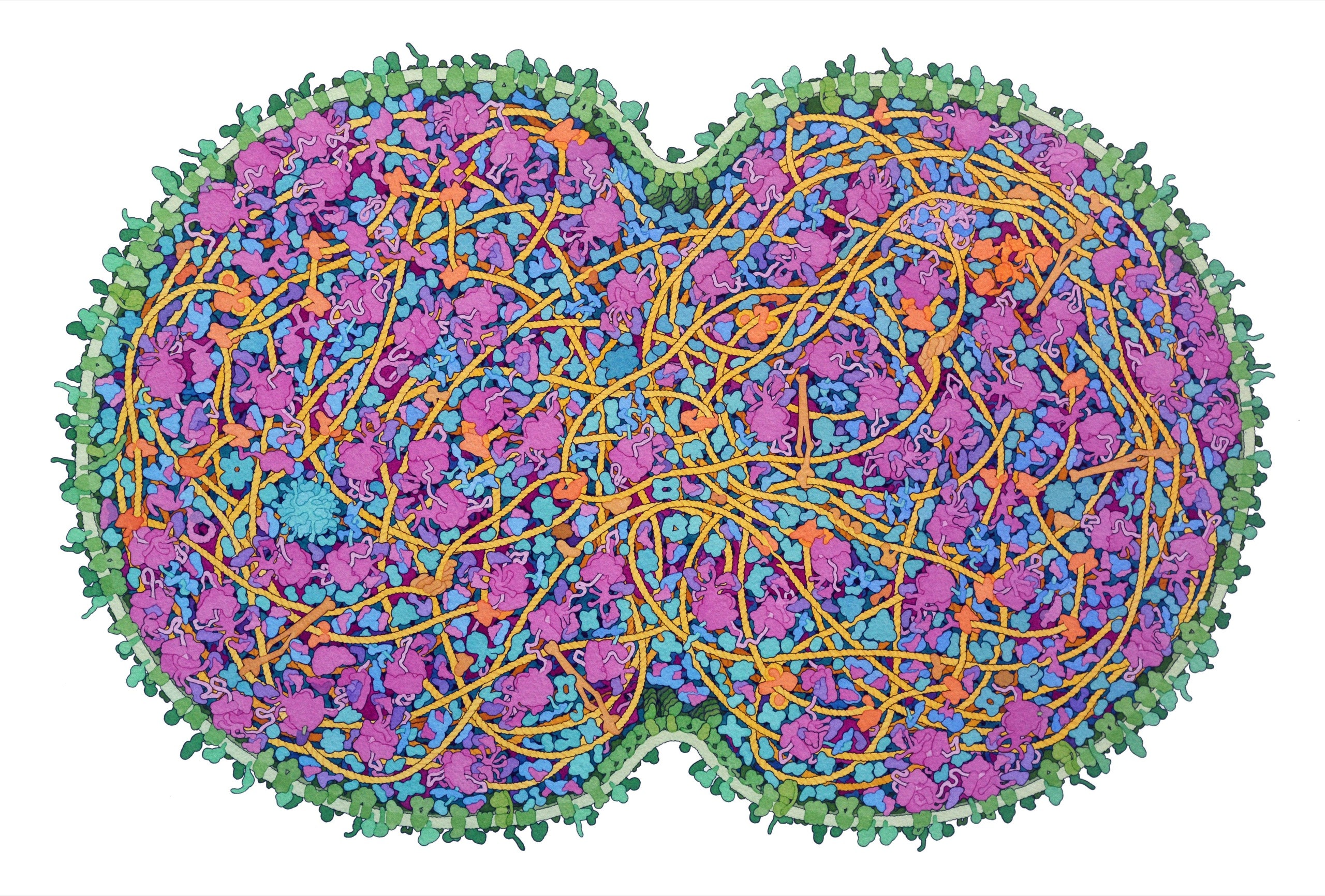
Topic: Biology of cells
Discipline: Molecules, Cells/TissuesLearning Objectives
Describe the structure and function of key subcellular organelles (ER, Golgi, mitochondria, lysosomes, proteasome) and relate organelle dysfunction to disease.
Explain the composition and function of the cytoskeleton (actin, intermediate filaments, microtubules) and list disorders caused by cytoskeletal defects.
Distinguish weak bonds (hydrogen, van der Waals, ionic) from covalent bonds and relate bond energy to macromolecular stability.
Define hypertrophy, hyperplasia, atrophy, metaplasia, and dysplasia; provide a mechanistic explanation and one clinical example of each.
Compare diminished-growth responses (atrophy, hypoplasia, aplasia, agenesis) with regard to stimulus, reversibility, and clinical consequence.
Explain how cell-surface receptors, gap junctions, and extracellular matrix proteins coordinate intercellular communication and tissue homeostasis.
Distinguish physiological from pathological cellular adaptations and predict the conditions under which adaptation may transition to irreversible injury.
W1D2_DNA and RNA
Learning objectives:
- Compare and contrast the structure of DNA and RNA, explaining the difference between the constituent bases, sugars, nucleosides and nucleotides
- Summarize the mechanism of DNA replication and why discontinuous synthesis is required
- Summarize the three steps of translation: initiation, elongation, and termination
- Describe the biosynthesis of the purine and pyrimidine nucleotides with emphasis on the key regulated steps
- Summarize up to date genetic engineering technologies
W1D3_DNA pathologies and DNA related carcinogenesis
Learning objectives:
- Explain the process of telomere replication and relate telomere dynamics to aging and disease
- Summarize why mutations in DNA repair systems can lead to disease, including certain types of cancer
- Describe the posttranscriptional processing of eukaryotic mRNA, and explain how diseases may result from alterations in the processing steps and cite examples
- Name inhibitors of DNA replication and describe the mechanism of action
- Describe the posttranscriptional processing of eukaryotic mRNA, and explain how diseases may result from alterations in the processing steps and cite examples
W1D4_Carbohydrates, Lipids, Proteins and Amino acids
Learning Objectives
Classify carbohydrates (mono-, di-, polysaccharides) and describe their biological roles in energy storage, cell signaling, and structural support.
Classify lipids (fatty acids, phospholipids, sphingolipids, sterols, wax esters) and explain their structural, signaling, and metabolic roles.
Describe the four levels of protein structure and explain how primary sequence determines tertiary folding; relate misfolding to disease.
Classify the 20 standard amino acids by side-chain chemistry (non-polar, polar uncharged, charged, aromatic) and identify the nine essential amino acids.
Explain the chemistry of monosaccharides including stereoisomerism (D/L, α/β anomers, epimers) and the clinical relevance of sugar configuration.
Distinguish saturated from unsaturated fatty acids and relate cis/trans configuration and chain length to membrane fluidity and cardiovascular risk.
Define essential fatty acids and vitamins A, D, E, K; explain fat-soluble vitamin malabsorption in clinical contexts (steatorrhea, cystic fibrosis, celiac disease).
W1D5_Proteins and oxygen transport
Learning Objectives
Compare the tertiary and quaternary structures of myoglobin and hemoglobin; explain cooperative O₂ binding in Hb using the sigmoidal oxygen-dissociation curve and the T/R state model.
Describe the Bohr effect and 2,3-BPG modulation of hemoglobin affinity, and predict shifts in the O₂ dissociation curve in clinical scenarios (acidosis, high altitude, anemia, CO poisoning).
Explain how CO₂ is transported in blood (carbamino compounds, dissolved CO₂, bicarbonate) and relate this to acid-base balance.
Compare the molecular pathogenesis of sickle cell disease (HbS point mutation), sickle cell trait, HbC disease, and α- and β-thalassemias; predict genotype–phenotype relationships.
Explain how methemoglobin (Fe³⁺) impairs O₂ transport and identify the mechanism of methylene blue treatment.
Identify major plasma proteins (albumin, globulins, fibrinogen, clotting factors, regulatory proteins), their synthesis sites, and clinical significance in disease states.
Apply Hardy-Weinberg principles (previewing Day 13) to calculate carrier frequencies for hemoglobin disorders, demonstrating population-level impact.
W2D1_Cell injury
Learning Objectives
Classify the causes of cell injury (ischemia/hypoxia, toxins, free radicals, immune-mediated, infections, nutritional, genetic) and describe the common final pathways of lethal injury.
Compare reversible cell injury (cellular swelling, hydropic change, fatty change, hyaline degeneration) with irreversible injury at the morphological and biochemical level.
Distinguish the six morphological types of necrosis (coagulative, liquefactive, caseous, fat, fibrinoid, gangrenous) and give the anatomical/clinical setting for each.
Define apoptosis, explain its intrinsic (mitochondrial) and extrinsic (death receptor) pathways, list key mediators (caspases, Bcl-2 family, cytochrome c), and contrast it with necrosis.
Describe the phases of the cell cycle (G₁, S, G₂, M), identify the major checkpoints (G₁/S, G₂/M, spindle assembly), and name the cyclin/CDK complexes and tumor suppressor proteins (p53, Rb) governing each checkpoint.
Explain how accumulation of intracellular substances (lipids, glycogen, proteins, pigments, calcium) results in characteristic morphological changes and disease states.
Apply cell-injury concepts to explain the mechanisms by which ischemia/reperfusion injury and free-radical damage cause cell death.
W2D2_Tissue response to disease
Learning Objectives
Describe the vascular events of acute inflammation in sequence: vasodilation, increased permeability (immediate/delayed), and stasis; identify the mediators driving each step (histamine, bradykinin, prostaglandins, PAF, NO, C3a/C5a).
Outline the cellular events of acute inflammation: leukocyte rolling (selectins), firm adhesion (integrins/ICAMs), diapedesis, and chemotaxis; identify the molecules involved at each step.
Classify the morphological types of acute inflammation (serous, fibrinous, suppurative/purulent, ulcerative, pseudomembranous) with clinical examples of each.
Define chronic inflammation; explain the circumstances under which it arises, the cell types involved (macrophages, plasma cells, lymphocytes, eosinophils), and contrast it with acute inflammation.
Describe granulomatous inflammation, identify the cell types in a granuloma (epithelioid macrophages, Langhans giant cells), and list diseases associated with this pattern (TB, sarcoidosis, Crohn's, fungal infections, foreign body).
Explain the roles of TNF-α, IL-1, IL-6, and acute-phase proteins (CRP, fibrinogen, serum amyloid A) in the systemic response to inflammation (fever, leukocytosis, acute-phase response).
Identify key anti-inflammatory pharmacological targets (COX-1/2, lipoxygenase, phospholipase A₂, TNF-α, IL-1) and the drug classes that act on them (NSAIDs, glucocorticoids, biologics).
W2D3_Tissue injury (physical and microbicidal) and wound healing
Learning Objectives
Classify types of physical tissue injury (thermal: hypo/hyperthermia, burns, frostbite; radiation: ionizing, UV; electrical/lightning; blast/blunt/sharp trauma; chemical) and describe their specific tissue effects.
Describe the pathophysiology of thermal burns using the Rule of Nines, first/second/third-degree classification, and the systemic consequences (fluid shifts, immunosuppression, infection risk).
Explain microbicidal mechanisms of innate immunity (defensins, reactive oxygen species, neutrophil extracellular traps) and predict the clinical manifestations of their failure.
Describe the three phases of wound healing — inflammation (hemostasis, platelet plug), proliferation (granulation tissue, angiogenesis, re-epithelialization), and remodeling (collagen crosslinking, scar maturation) — identifying the key growth factors (PDGF, TGF-β, VEGF, EGF) in each phase.
Distinguish primary intention healing from secondary intention healing; explain the pathological basis of keloid and hypertrophic scar formation.
Predict impaired wound healing in clinical conditions (diabetes mellitus, glucocorticoid excess, malnutrition/vitamin C deficiency, infection, foreign body, ischemia) and link each to the specific phase it disrupts.
Define and contrast angiogenesis and vasculogenesis; explain the molecular role of VEGF and HIF-1α.
W2D4_Amino Acid metabolism
Learning Objectives
Explain the transamination reaction, identify pyridoxal phosphate (vitamin B₆) as the cofactor, and describe its diagnostic significance (ALT, AST as liver function markers).
Describe all steps of the urea cycle (including intramitochondrial and cytosolic reactions), identify the input substrates (NH₄⁺, HCO₃⁻, aspartate), the energy cost, and the enzyme deficiencies leading to hyperammonemia.
Outline heme catabolism from porphyrin ring cleavage through biliverdin → unconjugated bilirubin → conjugated bilirubin → urobilinogen; explain differences in total, direct, and indirect bilirubin in pre-hepatic, hepatic, and post-hepatic jaundice.
Describe the metabolic pathways and clinical consequences of specific inborn errors of aromatic amino acid metabolism: phenylketonuria (PAH deficiency), alkaptonuria (homogentisate oxidase deficiency), albinism (tyrosinase), and tyrosinemia.
Explain the inborn errors of branched-chain amino acid metabolism, particularly maple syrup urine disease (BCKDH deficiency), noting the cofactor requirements (thiamine, lipoic acid, riboflavin, niacin, pantothenate).
Describe the pathogenesis of homocystinuria (cystathionine β-synthase deficiency), its clinical phenotype (lens dislocation downward, thrombosis, intellectual disability), and compare it to Marfan syndrome.
Explain the clinical significance of amino acid derivatives: catecholamines (from tyrosine), serotonin/melatonin (from tryptophan), niacin (from tryptophan), histamine (from histidine), GABA/glutamate.
W2D5_Enzymes
Learning Objectives
Define the seven classes of enzymes (oxidoreductases, transferases, hydrolases, lyases, isomerases, ligases, translocases) and provide a biochemically relevant example of each.
Explain Michaelis-Menten kinetics: define Km and Vmax, interpret enzyme velocity curves, and predict enzyme behavior at substrate concentrations above and below Km.
Compare competitive, non-competitive, uncompetitive, and mixed inhibition using Lineweaver-Burk plots; predict the effect on Km and Vmax for each type.
Describe allosteric regulation, identifying the difference between R-state (active) and T-state (inactive) conformations and explain cooperativity with hemoglobin as a model.
Explain how post-translational modifications (proteolytic cleavage of zymogens, reversible phosphorylation, acetylation) alter enzyme activity; apply to coagulation cascade and digestive enzymes.
Explain enzyme induction and irreversible inhibition by drugs (e.g., organophosphate inhibition of acetylcholinesterase, aspirin acetylation of COX, suicide inhibition by 5-FU of thymidylate synthase).
Interpret clinical enzymology: the diagnostic significance of isoenzymes (CK-MB vs. troponin, LDH isoenzymes, AST/ALT ratio) in myocardial infarction, liver disease, and skeletal muscle pathology.
W3D1_Lipid metabolism and metabolic pathways
Learning Objectives
Describe the steps of fatty acid β-oxidation (activation, carnitine shuttle, β-oxidation cycle), calculate the ATP yield from a given fatty acid, and compare with fatty acid synthesis.
Explain the regulation of fatty acid synthesis by acetyl-CoA carboxylase (rate-limiting, biotin-dependent) and relate it to the fed vs. fasted state and to insulin/glucagon signaling.
Describe the complete TCA (Krebs) cycle — substrates, products, enzymes, and regulatory points — and calculate the NADH, FADH₂, GTP, and CO₂ yields per acetyl-CoA.
Explain ketogenesis (HMG-CoA pathway in liver) and ketone body utilization in extrahepatic tissues; predict the clinical and biochemical features of diabetic ketoacidosis vs. starvation ketosis.
Trace cholesterol biosynthesis from acetyl-CoA through HMG-CoA reductase (rate-limiting step); describe lipoprotein structure (chylomicrons, VLDL, IDL, LDL, HDL) and their metabolic functions.
Describe the pathophysiology of the most clinically important lipid storage diseases (Gaucher, Niemann-Pick, Tay-Sachs, Krabbe, Fabry, Metachromatic Leukodystrophy) with their enzyme defects and accumulated substrates.
Explain the endocrine functions of adipose tissue (adiponectin, leptin, resistin) and how their dysregulation contributes to the metabolic syndrome.
W3D2_Carbohydrate Metabolism and Metabolic Pathways
Learning Objectives
Describe glycolysis from glucose-6-phosphate to pyruvate, identifying the regulatory enzymes (hexokinase/glucokinase, PFK-1, pyruvate kinase), energy investment vs. payoff phases, and anaerobic vs. aerobic fates of pyruvate.
Explain gluconeogenesis — substrates (lactate, glycerol, glucogenic amino acids), key bypass enzymes (pyruvate carboxylase, PEPCK, fructose-1,6-bisphosphatase, glucose-6-phosphatase), and organ location (liver/kidney).
Describe the pentose phosphate pathway (HMP shunt): oxidative phase (glucose-6-phosphate dehydrogenase, G6PD, rate-limiting), production of NADPH and ribose-5-phosphate, and the role of NADPH in RBC antioxidant defense.
Describe glycogenesis and glycogenolysis; identify liver glycogen phosphorylase (glucagon-activated) vs. muscle glycogen phosphorylase (epinephrine-activated); explain why muscle glycogenolysis does not raise blood glucose.
Classify glycogen storage diseases by enzyme defect and clinical presentation: Von Gierke (G6Pase), Pompe (lysosomal acid maltase), Cori (debranching), McArdle (muscle phosphorylase); predict the metabolic consequences of each.
Explain the regulation of glucose metabolism by insulin (promotes glycolysis, glycogenesis, fatty acid synthesis) and glucagon/epinephrine (promotes glycogenolysis, gluconeogenesis, lipolysis).
Describe galactose metabolism (GALT deficiency → galactosemia) and fructose metabolism (aldolase B deficiency → hereditary fructose intolerance), including clinical presentations.
W3D3_Genetic Mechanisms and Population Genetics
Learning Objectives
Define and apply key genetic concepts: penetrance, expressivity, pleiotropy, anticipation, imprinting, uniparental disomy, mosaicism, and loss of heterozygosity; provide a clinical example for each.
Identify and interpret the four Mendelian inheritance patterns (autosomal dominant, autosomal recessive, X-linked recessive, X-linked dominant) and mitochondrial inheritance using pedigree analysis.
Apply the Hardy-Weinberg equation (p² + 2pq + q² = 1) to calculate allele frequencies, carrier frequencies, and disease prevalence; identify the five conditions for equilibrium.
Explain population genetics concepts: founder effect, bottleneck effect, genetic drift, natural selection, and mutation-selection equilibrium; give examples of each affecting human disease frequency.
Describe the principles of gene therapy (somatic vs. germline; viral vs. non-viral vectors; gene addition, correction via CRISPR, RNA interference); identify risks and ethical considerations.
Explain linkage disequilibrium, its medical relevance in disease-gene association studies, and its role in HLA-disease associations.
Distinguish codominance (blood groups), incomplete dominance, and epistasis with clinical examples, and explain their impact on phenotypic variability.
W3D4_Metabolic, Developmental & Structural Protein Genetic Disorders
Learning Objectives
Describe the complete synthesis pathway of collagen (transcription → translation → hydroxylation [vitamin C] → glycosylation → triple helix → exocytosis → cleavage → crosslinking [lysyl oxidase, copper]) and identify the step disrupted in each collagen disorder.
Compare the four most clinically important collagen types (I, II, III, IV), their tissue locations, and the diseases caused by their defects.
Explain the molecular pathogenesis of Osteogenesis Imperfecta (COL1A1/A2 mutations → defective type I collagen → brittle bones, blue sclerae, hearing loss, dentinogenesis imperfecta).
Explain the molecular pathogenesis of Ehlers-Danlos syndrome (various collagen and enzyme defects → hyperextensible skin, hypermobile joints, vessel/organ rupture risk); distinguish EDS types by gene defect and clinical severity.
Describe Marfan syndrome (FBN1 mutation → defective fibrillin-1 → impaired TGF-β sequestration → aortic root dilation, lens dislocation upward, tall stature with arachnodactyly) and compare to homocystinuria.
Explain Menkes disease (ATP7A mutation → impaired copper transport → reduced lysyl oxidase activity → defective collagen and elastin crosslinking → kinky hair, hypotonia, cerebral aneurysms) and contrast with Wilson disease.
Describe primary ciliary dyskinesia (dynein arm defect → immotile cilia → Kartagener syndrome: situs inversus, bronchiectasis, male infertility); explain the nasal nitric oxide screening test.
W3D5_Pharmacology Basics
Learning Objectives
Define and calculate key pharmacokinetic parameters: bioavailability (F), volume of distribution (Vd), clearance (CL), half-life (t½), and steady-state concentration; predict how each changes in hepatic or renal disease.
Distinguish first-order kinetics (constant fraction eliminated per unit time; exponential decay) from zero-order kinetics (constant amount eliminated; linear decay) and name drugs following each pattern (phenytoin, ethanol, aspirin at toxic levels = zero-order).
Explain Phase I (CYP450: oxidation, reduction, hydrolysis) and Phase II (glucuronidation, sulfation, acetylation, methylation) drug metabolism; identify the consequences of slow vs. fast acetylation for drug toxicity (isoniazid).
Define and compare full agonist, partial agonist, inverse agonist, and competitive vs. non-competitive antagonist using dose-response curves; define potency (ED₅₀) vs. efficacy (Emax) and therapeutic index (TI = TD₅₀/ED₅₀).
Describe the major categories of drug-drug interactions: pharmacokinetic (absorption, distribution, metabolism via CYP induction/inhibition, excretion) and pharmacodynamic (additive, synergistic, antagonistic, permissive, tachyphylaxis).
Explain individual factors that modify drug responses: age (neonatal/geriatric PK), sex, body weight, disease state, tolerance, pharmacogenetics (CYP2D6 polymorphisms), and first-pass metabolism.
Identify the types of adverse drug reactions (Type A dose-dependent, Type B idiosyncratic, Type C cumulative, Type D delayed, Type E end-of-use) and apply toxicological principles to drug overdose management.
W4D1_Hormones
Learning Objectives
Classify hormones by chemical nature (peptide/protein, steroid, tyrosine-derived) and predict membrane permeability, receptor location, and second-messenger system used.
Compare the signaling mechanisms of the six major receptor classes: receptor tyrosine kinases (RTKs), cytokine receptors (JAK-STAT), serine/threonine kinase receptors (TGF-β), G-protein coupled receptors (Gs, Gi, Gq), nuclear receptors, and guanylyl cyclase–linked receptors; identify key examples of each.
Trace steroid hormone biosynthesis from cholesterol through the five classes (glucocorticoids, mineralocorticoids, sex steroids, vitamin D, progestins); identify rate-limiting enzymes and pharmacological targets.
Describe the hypothalamic-pituitary-adrenal (HPA), hypothalamic-pituitary-thyroid (HPT), and hypothalamic-pituitary-gonadal (HPG) axes; apply negative feedback principles to explain pathology and pharmacology.
Explain the mechanisms of action of insulin (RTK → IRS → PI3K → GLUT4 translocation) and glucagon (Gs-cAMP-PKA) and predict the metabolic consequences of insulin excess or deficiency.
Define proto-oncogenes and oncogenes in the context of signaling: explain how RAS mutations (constitutive GTPase activation), SRC mutations, and growth factor receptor overexpression (HER2/neu) drive cell proliferation.
Describe the function, regulation, and pharmacological manipulation of ADH (V1/V2 receptors), PTH, thyroid hormone (T3/T4), and cortisol, including their clinical excess/deficiency states.
W4D2_Transport Receptors and Disorders of RNA
Learning Objectives
Describe the six types of cell-surface receptor modifications for signaling and transport: CFTR (ion channel), LDL receptor (endocytosis), transferrin receptor, divalent metal transporter, copper transporter (ATP7A/B), and nuclear import receptors.
Explain the molecular pathogenesis of cystic fibrosis: CFTR gene (chromosome 7), ΔF508 deletion → misfolded CFTR protein not trafficked to membrane → ↓ Cl⁻ secretion → thick mucus → recurrent infections, pancreatic insufficiency, male infertility (CBAVD).
Describe the pathogenesis of hereditary hemochromatosis (HFE gene, hepcidin dysregulation) and Wilson disease (ATP7B mutation → copper accumulation → Kayser-Fleischer rings, hepatic cirrhosis, neuropsychiatric symptoms).
Explain trinucleotide repeat disorders: mechanism of repeat expansion, the concept of anticipation, examples (Fragile X: CGG in FMR1 → FMRP loss; Huntington: CAG in HTT; Myotonic dystrophy: CTG in DMPK; Friedreich ataxia: GAA in FXN).
Identify mutations that cause splicing defects in disease (β-thalassemia splice-site mutations, spinal muscular atrophy SMN1 deletion, Rett syndrome MECP2 mutation affecting chromatin remodeling).
Describe the fragile X phenotype: post-pubertal macroorchidism, long face, large ears, intellectual disability, autism; distinguish full mutation (>200 CGG repeats) from premutation (50–200 repeats → tremor/ataxia, premature ovarian insufficiency).
Explain how RNA-based therapies (antisense oligonucleotides, siRNA, mRNA therapy) leverage knowledge of transport receptors and RNA biology for disease treatment.
W4D3_Genetic Counseling and Large Genomic Changes
Learning Objectives
Define genetic counseling and identify the indications: advanced maternal age, family history of genetic disease, abnormal screening results, consanguinity, previous affected child, carrier testing.
Describe genetic testing modalities: karyotyping, FISH, chromosomal microarray (CNV analysis), whole-exome/genome sequencing, PCR-based tests, Southern blot; identify the appropriate test for specific clinical scenarios.
Explain the mechanisms underlying chromosomal aneuploidies (non-disjunction in meiosis I vs. II; Robertsonian translocation); calculate recurrence risk for Down syndrome in different scenarios.
Describe the clinical features, chromosomal basis, and inheritance mechanism of Down syndrome (trisomy 21 → Alzheimer's risk, AVSD, AML/ALL), Edwards syndrome (trisomy 18 → PRINCE features), and Patau syndrome (trisomy 13 → midline defects, holoprosencephaly).
Explain imprinting disorders — Prader-Willi syndrome (paternal chromosome 15 deletion or maternal UPD15) and Angelman syndrome (maternal chromosome 15 deletion or paternal UPD15) — including chromatin methylation as the molecular mechanism.
Describe Beckwith-Wiedemann syndrome (IGF2 imprinting defect) and identify its clinical features (macrosomia, macroglossia, omphalocele, neonatal hypoglycemia, Wilms tumor predisposition).
Explain the purpose and limitations of prenatal screening (first-trimester combined screening: nuchal translucency + β-hCG + PAPP-A; second-trimester quadruple screen; cell-free fetal DNA) and prenatal diagnosis (amniocentesis, CVS).
W4D4_Growth Disturbances and Neoplasia
Learning Objectives
Define and distinguish neoplasia, anaplasia, dysplasia, and differentiation; explain the relationship between differentiation grade and malignant behavior.
Compare benign and malignant neoplasms across five parameters: growth rate, invasion, metastasis, histological appearance (pleomorphism, N:C ratio, mitoses), and clinical impact.
Classify neoplasms by histogenesis: carcinoma (epithelial), sarcoma (mesenchymal), leukemia/lymphoma (hematopoietic), germ cell; identify naming conventions (adenoma/adenocarcinoma, lipoma/liposarcoma, etc.).
Describe the stages of carcinogenesis: initiation (DNA mutation), promotion (clonal expansion), and progression (further mutations, invasion); explain the multi-hit hypothesis.
Discuss chemical (aromatic amines, aflatoxins, alkylating agents, nitrosamines, asbestos), physical (UV, ionizing radiation, radon), and viral (HPV, EBV, HBV/HCV, HTLV-1, H. pylori) carcinogens and their associated tumor types.
Explain the roles of the four classes of cancer-driving genes: proto-oncogenes/oncogenes (RAS, HER2, MYC, BCR-ABL), tumor suppressor genes (TP53, RB1, BRCA1/2, APC), DNA repair genes (MMR, BRCA), and apoptosis regulators (BCL-2).
Identify tumor markers (PSA, CEA, CA-125, AFP, β-hCG, calcitonin, chromogranin) and explain their appropriate use in monitoring, not primary screening.
Describe paraneoplastic syndromes as indirect tumor effects: SIADH (small cell lung), Cushing (ectopic ACTH), hypercalcemia (PTHrP), Lambert-Eaton (VGCCs), acanthosis nigricans; link to oncology mechanisms.
W4D5_Cancer Biology and Pathology
Learning Objectives
Outline the four classes of DNA repair gene mutations that predispose to cancer: nucleotide excision repair (XP), mismatch repair (Lynch/HNPCC), homologous recombination (BRCA1/2), and base excision repair; explain microsatellite instability (MSI) as a signature of MMR defects.
Describe the key cellular processes altered during tumor development: evasion of apoptosis (BCL-2, MDM2-p53 axis), cell cycle dysregulation (CDK4 amplification, cyclin D overexpression, Rb pathway), and growth factor receptor activation.
Explain the tumor microenvironment (TME): roles of cancer-associated fibroblasts, M2 macrophages, regulatory T cells (Tregs), MDSCs in creating an immunosuppressive niche; explain PD-1/PD-L1 immune checkpoint axis.
Describe the Warburg effect (aerobic glycolysis) and its metabolic rationale in rapidly dividing tumor cells; explain how this is exploited in FDG-PET imaging.
Describe the molecular steps of invasion and metastasis: loss of E-cadherin (epithelial-mesenchymal transition, EMT), matrix metalloproteinase (MMP) upregulation, intravasation, extravasation, and organ-specific metastasis patterns (breast → bone/lung/brain/liver; colon → liver).
Explain oncogenic microorganism mechanisms: HPV E6/E7 proteins degrade p53 and Rb respectively; EBV immortalizes B cells via LMP-1 (mimics CD40 signaling); HBV/HCV drive chronic inflammation → cirrhosis → HCC.
Identify liquid biopsy (circulating tumor DNA, ctDNA), tumor mutational burden (TMB), and MSI testing as emerging clinical biomarkers for treatment selection and monitoring.
W6D1_Hallmarks of Cancer
Learning Objectives
Explain the six original Hanahan & Weinberg hallmarks of cancer (2000): sustaining proliferative signaling, evading growth suppressors, resisting cell death, enabling replicative immortality, inducing angiogenesis, activating invasion and metastasis.
Describe the four added hallmarks from the 2011 "Next Generation" paper: deregulating cellular energetics (Warburg), avoiding immune destruction, tumor-promoting inflammation, and genome instability and mutation.
Explain the two enabling characteristics: tumor-promoting inflammation and genome instability; discuss how they accelerate acquisition of other hallmarks.
Explain how each hallmark is supported by specific molecular targets being exploited in cancer therapy (e.g., VEGF → bevacizumab; PD-1 → pembrolizumab; BCR-ABL → imatinib; CDK4/6 → palbociclib; PARP → olaparib).
Analyze the evolution of the hallmarks concept and how emerging research (phenotypic plasticity, epigenetic reprogramming, polymorphic microbiomes, senescent cells) continues to expand the model.
W6D2_Cancer Pharmacology
Learning Objectives
Explain the cell-cycle phase specificity of major antineoplastic drug classes: S-phase (antimetabolites: methotrexate, 5-FU, 6-MP, cytarabine); M-phase (taxanes, vinca alkaloids); non-cell-cycle specific (alkylating agents, platinum compounds, antitumor antibiotics).
Describe the mechanism of action and key toxicities of alkylating agents (cyclophosphamide: hemorrhagic cystitis; cisplatin: nephrotoxicity, neurotoxicity, ototoxicity) and antitumor antibiotics (doxorubicin: cardiotoxicity; bleomycin: pulmonary fibrosis).
Explain how antimetabolites inhibit DNA synthesis: methotrexate inhibits DHFR (↓ dTMP), 5-FU inhibits thymidylate synthase, 6-MP inhibits purine synthesis (via HGPRT conversion), cytarabine inhibits DNA polymerase.
Describe targeted therapies and their molecular targets: imatinib (BCR-ABL/CML), erlotinib/gefitinib (EGFR/NSCLC), trastuzumab (HER2/breast), bevacizumab (VEGF/colorectal), rituximab (CD20/B-cell lymphoma), tamoxifen (ER/breast cancer).
Explain immune checkpoint inhibitors (anti-PD-1: pembrolizumab, nivolumab; anti-CTLA-4: ipilimumab; anti-PD-L1: atezolizumab) and their mechanism of restoring anti-tumor T-cell activity; describe immune-related adverse events (irAEs).
Describe PARP inhibitors (olaparib, rucaparib) and explain the concept of synthetic lethality in BRCA1/2-deficient tumors.
Explain mechanisms of multi-drug resistance (MDR1/P-glycoprotein, altered drug metabolism, target mutation, enhanced DNA repair) and strategies to overcome resistance.
W6D3_Infection Chemotherapy
Learning Objectives
Define selective toxicity, therapeutic index (TI), bacteriostatic vs. bactericidal activity, and minimum inhibitory concentration (MIC); explain why narrow-spectrum antibiotics are preferred for documented infections.
Describe the mechanism of action, spectrum, resistance mechanisms, and key toxicities of cell-wall synthesis inhibitors: penicillins (β-lactam ring, PBP binding), cephalosporins (generational spectrum expansion), vancomycin (D-Ala-D-Ala binding, VRE resistance), carbapenems.
Explain the mechanism of action, spectrum, and toxicities of protein synthesis inhibitors targeting the 30S subunit (aminoglycosides: irreversible inhibition, ototoxicity/nephrotoxicity; tetracyclines: reversible, bacteriostatic) and 50S subunit (macrolides/azithromycin: EF-G inhibition; chloramphenicol: aplastic anemia; clindamycin; linezolid).
Describe DNA synthesis inhibitors: fluoroquinolones (DNA gyrase/topoisomerase IV), metronidazole (anaerobes/protozoa), trimethoprim-sulfamethoxazole (sequential folate pathway blockade), rifampin (RNA polymerase).
Explain the chemotherapy of tuberculosis: first-line RIPE regimen (rifampin, isoniazid, pyrazinamide, ethambutol), mechanisms, resistance patterns (MDR-TB), and key drug interactions (INH–vitamin B₆ depletion).
Describe antifungal mechanisms: azoles (ergosterol synthesis inhibition via CYP51), amphotericin B (ergosterol binding, pore formation, nephrotoxicity), echinocandins (β-1,3-glucan synthase inhibition), flucytosine (RNA/DNA synthesis inhibitor).
Explain the basis of antimicrobial resistance (β-lactamase production, efflux pumps, target modification, reduced permeability) and stewardship principles to limit resistance.
W6D4_Circulatory Disturbances
Learning Objectives
Describe the four pathophysiological mechanisms of edema formation (↑ hydrostatic pressure, ↓ oncotic pressure, ↑ vascular permeability, lymphatic obstruction); apply Starling forces; distinguish transudates from exudates by Light's criteria.
Compare the clinical, pathological, and laboratory features of the four categories of shock (hypovolemic, cardiogenic, distributive/septic, obstructive) and describe the compensated vs. decompensated vs. irreversible stages.
Describe the morphological changes in shock organs: "shock liver" (centrilobular necrosis), "shock kidney" (acute tubular necrosis, MUDPILES mnemonic for ATN causes), adrenal hemorrhage (Waterhouse-Friderichsen syndrome in meningococcemia).
Explain the pathogenesis of deep vein thrombosis (DVT) and pulmonary embolism (Virchow's triad: stasis, endothelial injury, hypercoagulability); predict clinical outcomes.
Describe fluid and electrolyte imbalances: hypo/hypernatremia (hypo/hypertonicity), hypo/hyperkalemia (cardiac effects, ECG changes), mechanisms, and management principles.
Define and classify acid-base disorders (metabolic acidosis/alkalosis, respiratory acidosis/alkalosis); apply the Henderson-Hasselbalch equation; recognize appropriate compensatory responses; interpret arterial blood gas values.
Explain the mechanisms of common diuretics (loop, thiazide, potassium-sparing, acetazolamide) in terms of tubular physiology; predict the electrolyte and acid-base consequences of each.
W6D5_Acid base disorders
- Apply the Henderson-Hasselbalch equation to arterial blood gas values; identify the primary disturbance and classify it as metabolic (HCO₃⁻-driven) or respiratory (PCO₂-driven), acidotic or alkalotic.
- Describe the four primary acid-base disorders — metabolic acidosis, metabolic alkalosis, respiratory acidosis, respiratory alkalosis — including the physiological mechanism generating each, the expected direction of pH, HCO₃⁻, and PCO₂, and the clinical conditions that cause each.
- Calculate and interpret the anion gap ; distinguish high-anion-gap metabolic acidosis (MUDPILES: Methanol, Uremia, DKA, Propylene glycol/Paraldehyde, Isoniazid/Iron, Lactic acidosis, Ethylene glycol, Salicylates) from normal-anion-gap (hyperchloremic) metabolic acidosis (HARDUP: Hyperalimentation, Acetazolamide, Renal tubular acidosis, Diarrhea, Ureteroenteric fistula, Pancreatic fistula).
- Predict the appropriate compensatory response for each primary disorder using clinical rules (Winter's formula for metabolic acidosis: expected PCO₂ = 1.5 × [HCO₃⁻] + 8 ± 2; 0.7 mmHg rise in PCO₂ per 1 mEq/L rise in HCO₃⁻ for metabolic alkalosis; 10 mmHg change in PCO₂ per 1 mEq/L change in HCO₃⁻ for chronic respiratory disorders); distinguish adequate compensation from a superimposed second disorder.
- Explain the pathogenesis of the four types of renal tubular acidosis (RTA): Type 1 distal (H⁺ secretion failure → urine pH >5.5, hypokalemia, nephrocalcinosis), Type 2 proximal (HCO₃⁻ reabsorption failure → hypokalemia, Fanconi syndrome), and Type 4 (aldosterone deficiency/resistance → hyperkalemia, urine pH <5.5); identify the diseases and drugs associated with each type.
- Describe how the kidneys generate and excrete acid via ammonium (NH₄⁺) and titratable acid, and how urinary anion gap is used to differentiate renal from GI causes of normal-anion-gap metabolic acidosis (negative UAG = GI loss; positive UAG = renal defect).
- Identify the electrolyte consequences of each acid-base disorder and its treatment: hypokalemia in metabolic alkalosis and RTA types 1/2; hyperkalemia in type 4 RTA and acidosis; hypocalcemia with alkalosis (tetany); and the use of sodium bicarbonate, acetazolamide, and ammonium chloride as pharmacological tools.
- Interpret a step-by-step mixed acid-base disorder from a clinical vignette (e.g., simultaneous metabolic acidosis + respiratory alkalosis in salicylate toxicity; metabolic alkalosis + respiratory acidosis in a COPD patient on diuretics) and explain the physiological basis of each component.
Topic 27