Извините, данный элемент курса сейчас скрыт
Тематический план
Общее
1.1. Ethical and Deontological Aspects of Medical Practice
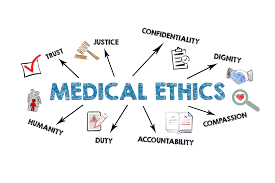
- What is medical ethics Файл документ PDF
- Governance, Lean Healthcare, and Digital Файл документ PDF
- Открыто с: Saturday, 10 January 2026, 13:20
1.2. Organization of Patients' Admission. Registration
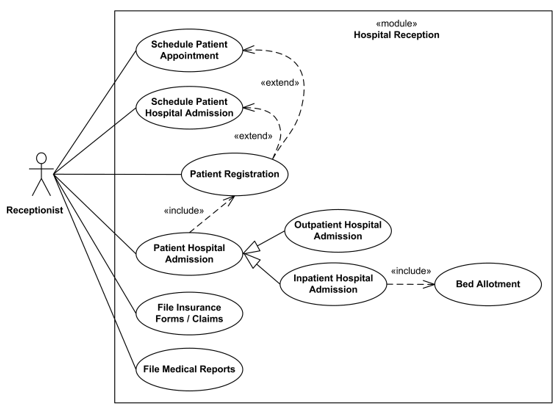
- Patient Care Online Appointment Файл документ PDF
1.3. Office of the district terapist. Organization of the Work of the Therapist's Office
1.4. Office of the district terapist.Organization of the Work of the room of Prevention
1.5. Prevention in Outpatient Clinic

- Screening programmes_WHO_2020 Файл документ PDF
- Health education topics Файл документ PDF
- Health education example_Prevention of obesity Файл Изображение (JPEG)
1.6. Vaccination

- Task for topic Vaccination Файл Документ Word 2007
- Immunisation against infectious disease Файл документ PDF
- AAMC Standardized Immunization Form 2026 Файл документ PDF
1.7. Geriatrician's Office

- Geriatric assessment Файл документ PDF
- Communication with elderly patient Файл документ PDF
- Geriatric assessment 2 Файл документ PDF
Geriatric assessment, the article contains links to questionnaires used for the assessment of elderly patients
Project «Active Longevity»: The Role of the Polyclinic
Goal: To understand the role of a geriatrician and a polyclinic in disease prevention and maintaining the quality of life for older adults, as well as to develop skills in creating educational materials.
Task: Teams select one topic related to health prevention or maintenance for older adults and develop a brief educational «project» for a display board in a polyclinic.
1.8. Palliative Care Office

- Открыто с: Saturday, 10 January 2026, 13:19
Final test
